
AZAS at the Euro Balkan Film Festival: European Cooperation for Effective Audiovisual Rights
A shared commitment to creators and stronger European cooperation shaped a constructive exchange on audiovisual rights, bringing renewed support for AZAS’s efforts to secure fair remuneration in North Macedonia.
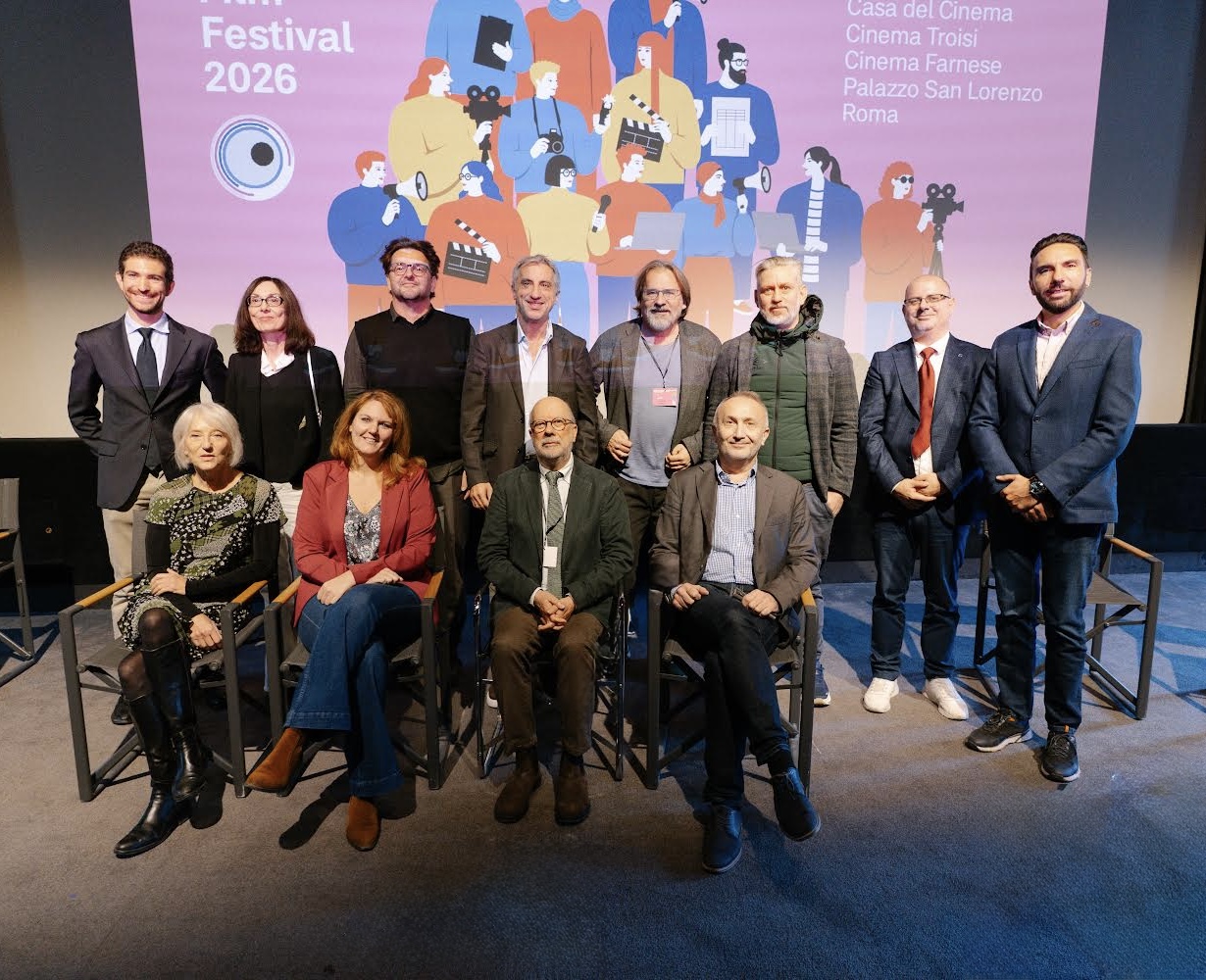
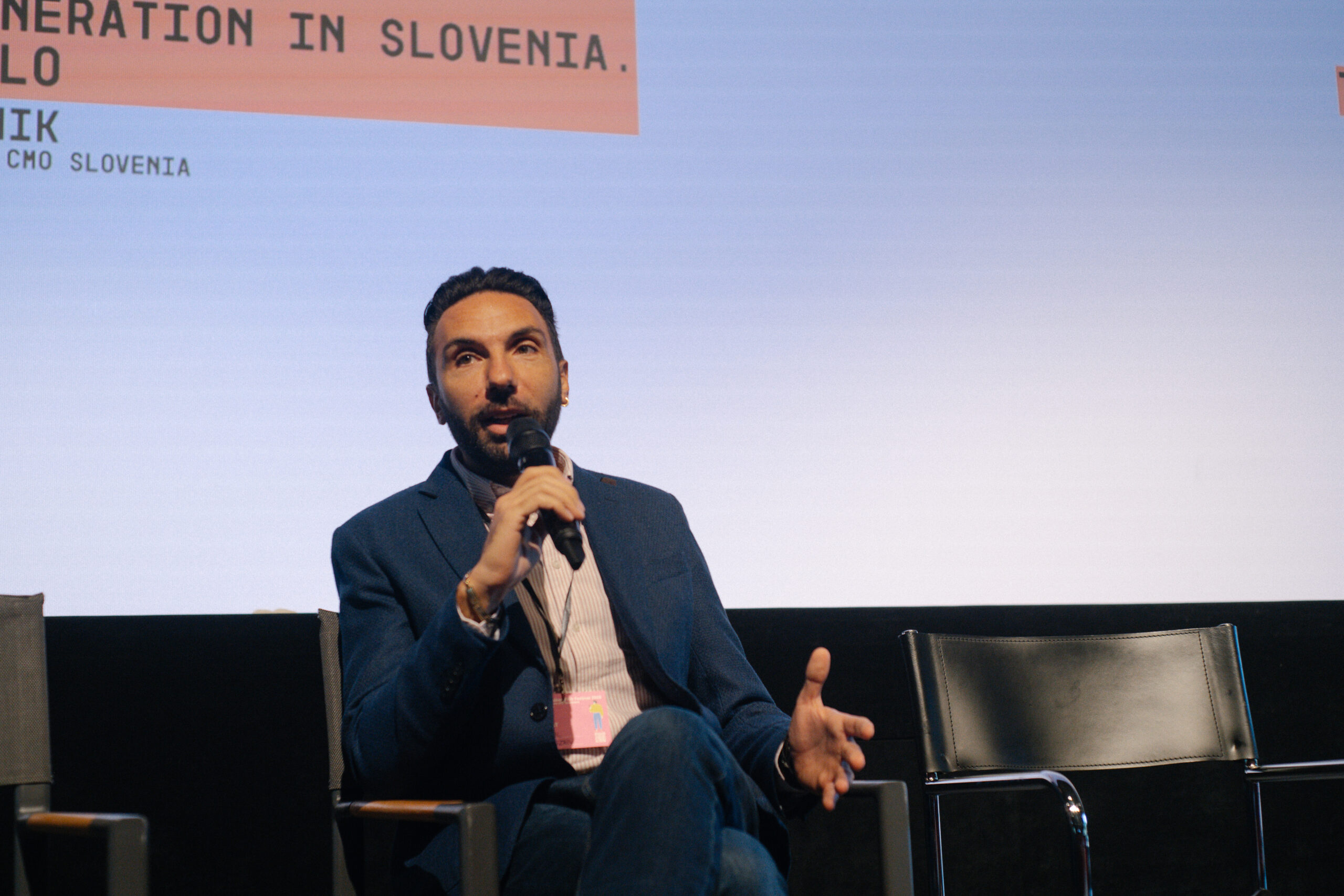
AZAS brought the continuing challenges facing audiovisual rights management in North Macedonia to the Euro Balkan Film Festival’s Industry Days, held in Rome, Italy, from 31 October to 2 November 2026, joining European and regional colleagues in a discussion on collecting societies and fair remuneration.
The workshop provided an opportunity to compare experiences and strengthen cooperation. Andrea Marzulli, Head of Audiovisual at SIAE, addressed artificial intelligence and its implications for audiovisual creators, alongside developments in the Italian collective management model and negotiations on fair remuneration. Evien Dako of Albania’s FAAD presented local developments over the past year, adding a regional perspective on building effective collective management.
Gregor Štibernik, Managing Director of Slovenia’s AIPA, highlighted a central distinction: recognising rights in legislation must lead to remuneration in practice. His presentation emphasised the infrastructure needed to identify uses, collect revenues and distribute payments, particularly in small markets. It also underlined the importance of preserving effective collective bargaining capacity when considering reform.
For AZAS, these discussions directly concern the prolonged obstacles to establishing a fully functioning audiovisual collective management system in North Macedonia. Secretary General Kiril Gjozev called for renewed cooperation with the Government, the Ministry and broadcasters, supported by a clear timetable and measurable progress.
“We have built valuable partnerships and invested years of work in creating the conditions for a functioning system. Our responsibility now is to turn that effort into results,” Gjozev stated. “The situation in North Macedonia also affects European creators whose works reach our audiences and the organisations representing them. We invite our partners to remain actively engaged so that this shared investment delivers fair remuneration and lasting institutional confidence.”
AZAS expressed appreciation to the festival’s hosts and European partners for maintaining a space for constructive dialogue. The exchange reinforced the importance of coordinated action across borders, connecting national progress with the effective protection of the wider European audiovisual repertoire.
A clear opportunity for progress
The discussion concluded that constructive engagement should now produce tangible progress within a reasonable timeframe. Should that progress fail to materialise, European partner organisations will take concrete further steps through the appropriate legal and institutional channels to pursue the protection of the rights they represent.
The priority remains a cooperative solution. This next phase establishes a clear record of the concerns raised and the opportunity to address them: sustained dialogue must now be matched by timely action.
AZAS was represented by Gorast Cvetkovski and Ivica Dimitrijevikj, members of its Board and Assembly, who contributed to discussions on fair remuneration, collective management, streaming platforms, artificial intelligence and the future protection of audiovisual performers.
Hosted at the Academy of Theatre, Radio, Film and Television of the University of Ljubljana, the meeting brought together organisations from North Macedonia, Slovenia, Croatia, Serbia, Montenegro, Bosnia and Herzegovina and Kosovo, alongside representatives of GAVA, AEPO-ARTIS and the Spanish collective management organisation AISGE.
The participants agreed that remuneration arising from private copying, cable retransmission and broadcasting should represent a minimum foundation for the economic rights of audiovisual performers. The discussions also emphasised the need for effective protection concerning streaming and other digital uses.
“Audiovisual performers must be recognised not only for their creative contribution, but also through rights that provide real and fair remuneration. The Ljubljana meeting gave us valuable experience that can support the development of a more effective system for performers in North Macedonia,” stated Ivica Dimitrijevikj.
Particular attention was also given to artificial intelligence and the use of performers’ images, voices and identities in the digital environment. Participants underlined the importance of informed consent, control and appropriate remuneration when performances or personal attributes are used through new technologies.
“Streaming and artificial intelligence are rapidly changing the audiovisual sector, making regional cooperation more important than ever. By acting together, we can better protect performers’ identities, creative work and economic interests in the digital environment,” stated Gorast Cvetkovski.
An important outcome of the meeting was the Ljubljana Buzz Note 2026, a draft joint regional statement defining shared priorities, key challenges and proposed activities ahead of the next Balkan Buzz meeting.
For AZAS, participation in Ljubljana once again provided an opportunity to present the position of North Macedonian performers, exchange experience with established organisations and contribute to common regional solutions.
AZAS will continue working with its regional and European partners towards effective protection, transparent collective management and fair remuneration for audiovisual performers. The Ljubljana meeting represents another step in the organisation’s proactive efforts to ensure that North Macedonia remains part of the regional and European dialogue shaping the future of audiovisual rights.