Private Copying in the Digital Age: AZAS Brings North Macedonia into the Regional Dialogue
AZAS participated in a regional meeting in Podgorica dedicated to private-copying remuneration, bringing together more than 30 representatives of public institutions and collective management organisations from seven countries. The discussions highlighted the significant differences between national systems and the consequences for audiovisual rightsholders, particularly in countries such as North Macedonia, where an effective mechanism has yet to be established. Through its proactive regional engagement, AZAS continues to exchange experience with established organisations and advocate for a fair, transparent and sustainable system aligned with European standards.
Every day, audiovisual works are copied, stored and accessed through smartphones, computers, tablets and other digital devices. These technologies have transformed the way culture reaches audiences, but they have also made one question increasingly important: how can creators and other rightsholders receive fair remuneration when their protected works are reproduced for private use?
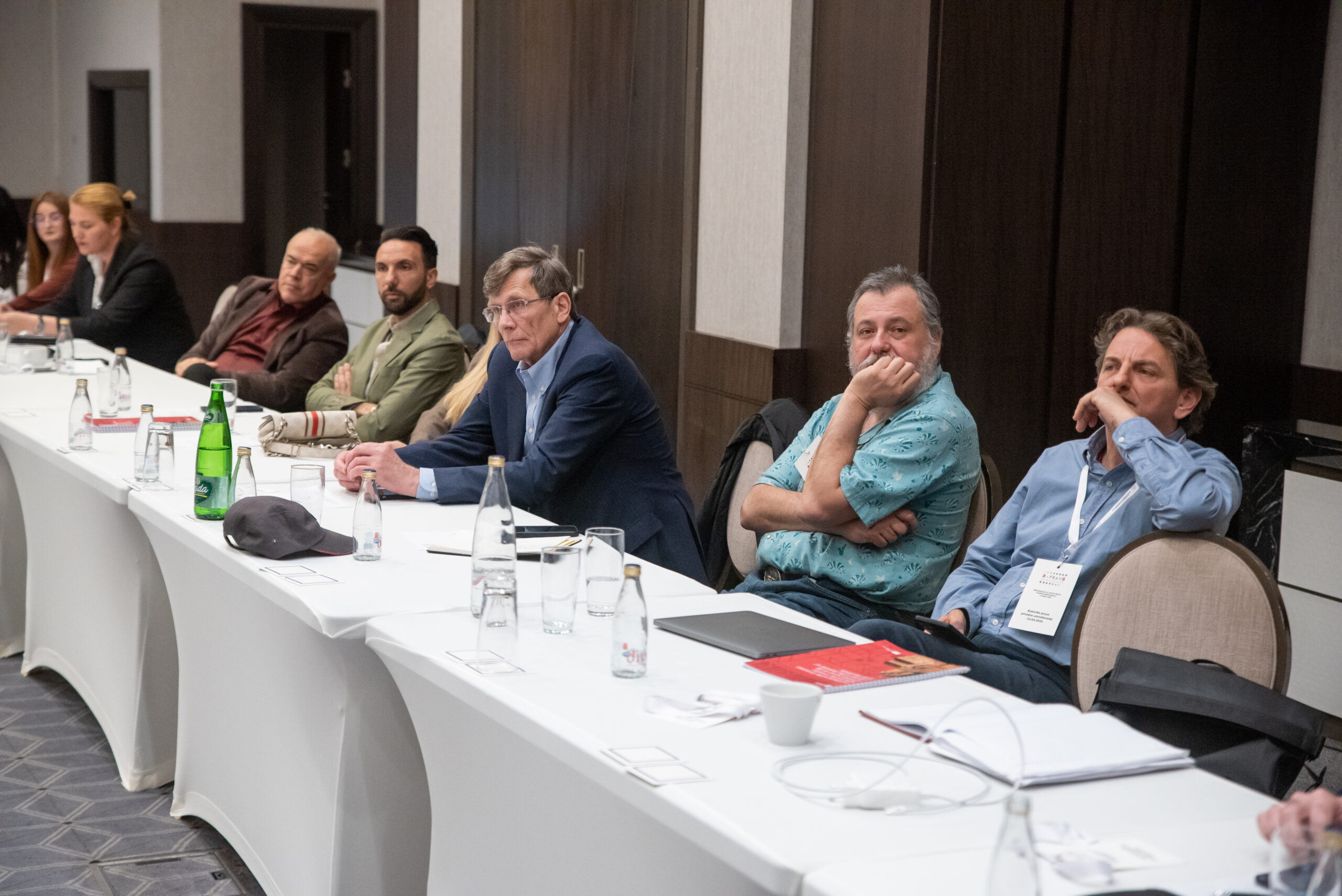
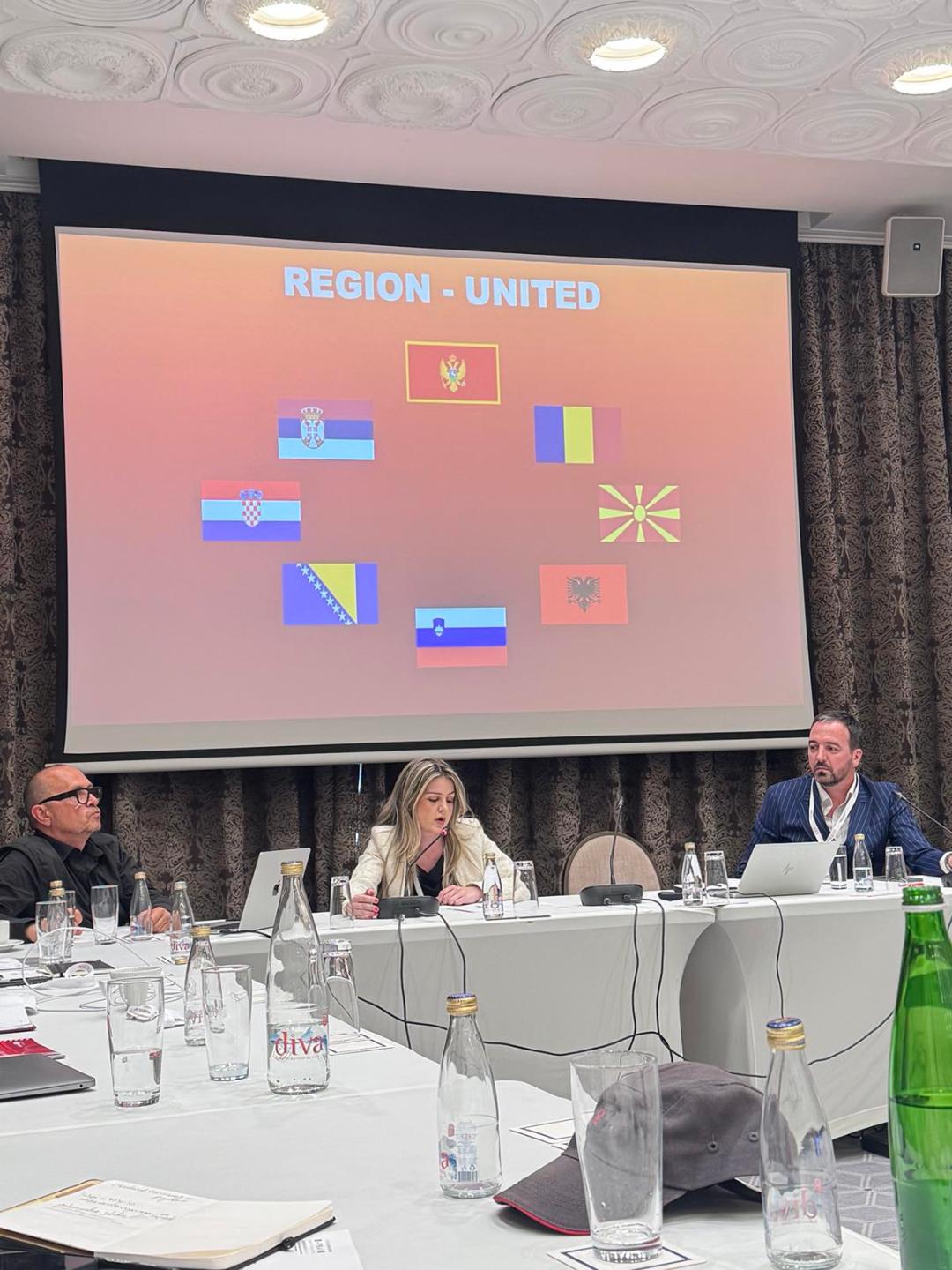
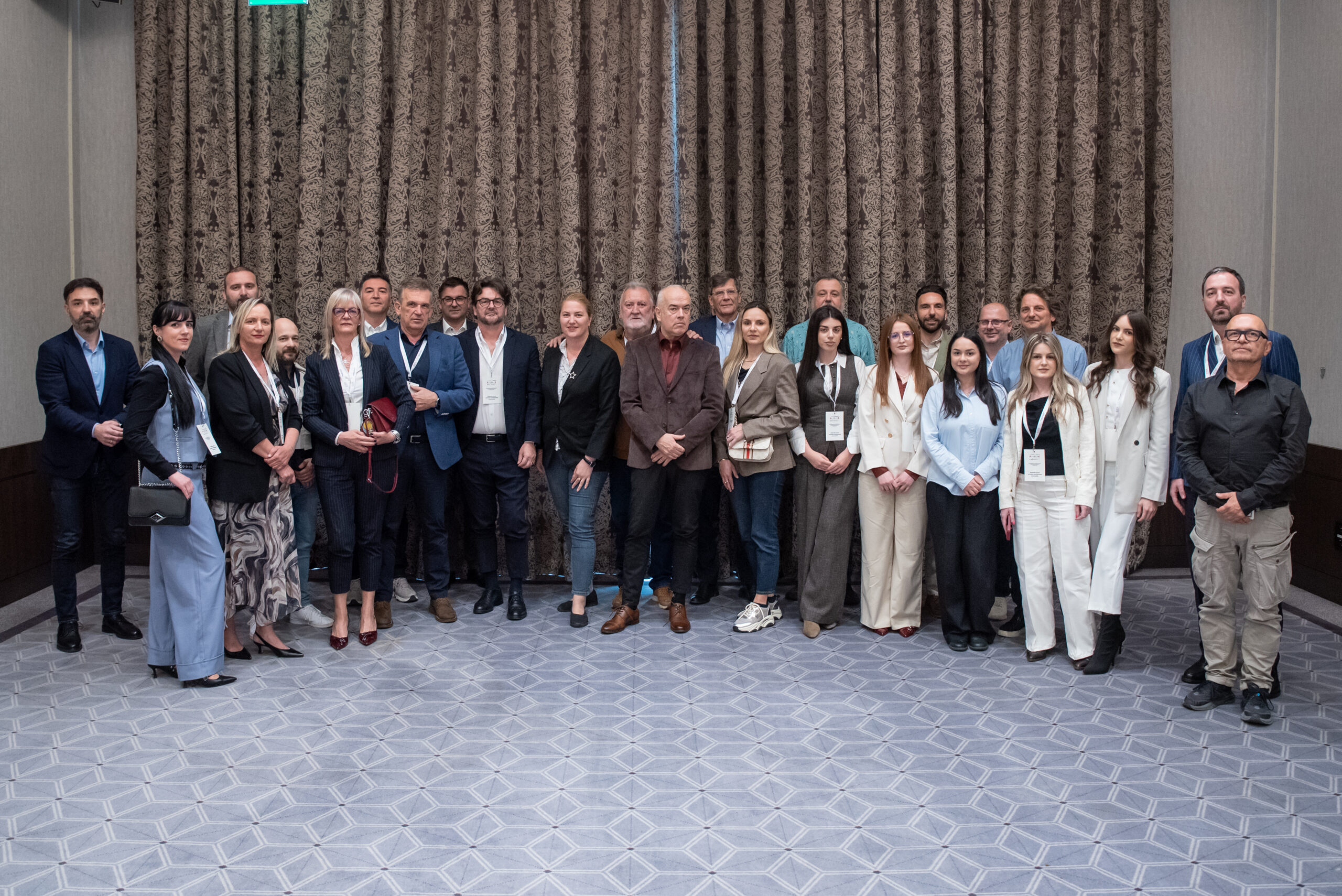
This issue was at the centre of a regional professional meeting held in Podgorica, bringing together more than 30 representatives of public institutions and collective management organisations from Croatia, Serbia, Kosovo, Montenegro, Albania, North Macedonia and Slovenia.
Hosted by the Montenegrin organisation A-prava, with AIPA from Slovenia participating as co-organiser, the meeting provided a valuable opportunity to compare national systems, identify common challenges and discuss practical steps towards a fairer and more consistent approach to private-copying remuneration.
AZAS participated in the regional dialogue as part of its continuing efforts to ensure that North Macedonia is present wherever decisions, professional standards and future models for audiovisual rights management are being discussed.
One region, significantly different levels of protection
Private-copying remuneration is intended to compensate authors and other rightsholders for the lawful reproduction of their protected works for personal use. In countries where the system functions effectively, remuneration is generally connected to devices and media commonly used to store or reproduce protected content.
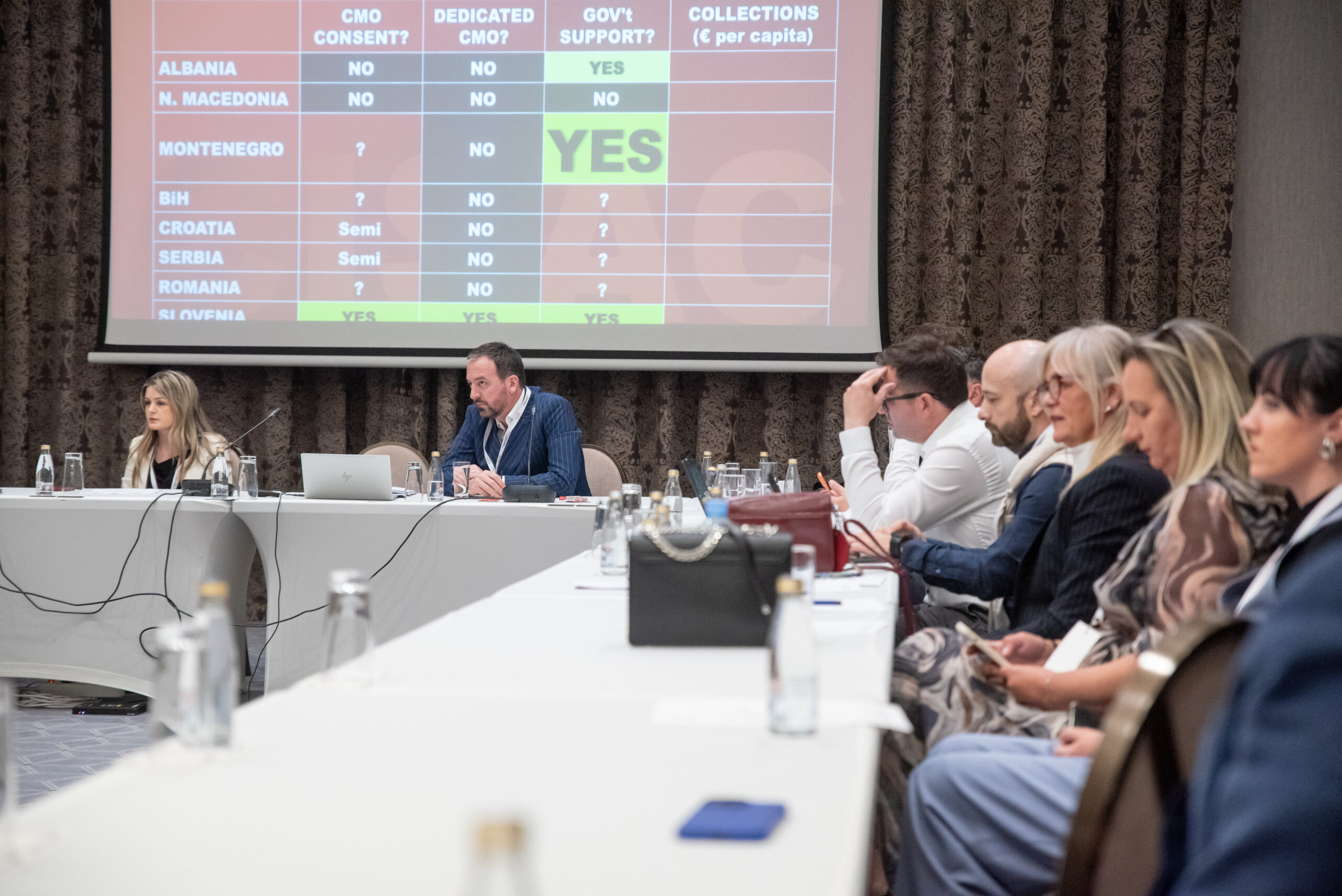
The discussions in Podgorica demonstrated, however, that the practical implementation of this principle remains highly uneven across the region. Companies often place the same or similar devices on several neighbouring markets, yet the obligations attached to those products – and consequently the remuneration available to rightsholders – can differ considerably from one country to another.
In Slovenia, for example, private-copying remuneration is collected in relation to smartphones. In North Macedonia and Montenegro, a comparable operational mechanism has still not been established. The result is not merely a technical difference between national systems. It means that creators and rightsholders in some countries receive compensation for the private use of their works, while their colleagues elsewhere remain outside a revenue stream recognised within the European copyright framework.
For the audiovisual sector, the consequences are especially important. Films and other audiovisual works are among the content most frequently stored, transferred and reproduced through contemporary devices. Nevertheless, the position of audiovisual rightsholders within private-copying systems is not always proportionate to the actual use and economic value of their repertoire.
AZAS: participation before implementation
AZAS considers that North Macedonia should not wait for every domestic issue to be resolved before entering professional regional and European discussions. On the contrary, participation at this stage is essential.
By remaining actively involved in exchanges with experienced collective management organisations, competent institutions and regional partners, AZAS is helping to build the knowledge, relationships and technical preparedness that will be required once an effective system is introduced in the country.
This proactive approach is part of AZAS’s broader commitment to developing a functional audiovisual rights ecosystem in North Macedonia. It includes continuous regional cooperation, dialogue with European organisations, exchange of comparative practice and advocacy for mechanisms through which audiovisual authors, performers and producers can receive the remuneration arising from the use of their works.
AZAS’s presence in Podgorica also ensured that the specific circumstances of North Macedonia were included in the regional discussion. The country has a creative audiovisual community, internationally recognised works and growing cross-border cooperation, but it still lacks several fully operational mechanisms through which the economic value generated by these works can return to the people who created and produced them.
“North Macedonia cannot afford to remain outside systems that already provide concrete remuneration to creators elsewhere in Europe. Our responsibility at AZAS is not only to point to what is missing, but to participate actively, learn from functioning models and prepare realistic solutions adapted to our legal and market environment. Regional cooperation allows us to move from identifying the problem towards building a system that can actually work,” stated Kiril Gjozev, Secretary General of AZAS.
From regional comparison to domestic action
The European legal framework recognises the principle that, where private copying is permitted, rightsholders must receive fair compensation. Establishing an effective national system, however, requires more than formally recognising that principle.
It requires:
- a clear and updated legal framework;
- an appropriate definition of the devices and media covered by the system;
- transparent and evidence-based remuneration levels;
- efficient collection and distribution mechanisms;
- fair participation of the different creative sectors;
- reliable market information and reporting; and
- cooperation between public institutions, collective management organisations, importers, manufacturers and other responsible stakeholders.
These elements must be developed carefully and through dialogue. The purpose is not to obstruct technological development or place disproportionate burdens on the market. It is to establish a balanced mechanism reflecting both contemporary patterns of content use and the legitimate economic interests of creators and other rightsholders.
A fairer regional audiovisual environment
Participants in the Podgorica meeting agreed on the importance of continuing the exchange of experience, strengthening professional cooperation and working towards more effective and balanced private-copying systems.
For AZAS, this dialogue is part of a longer process. The organisation will continue connecting North Macedonia with regional and European expertise, presenting the country’s specific challenges and advocating for solutions that are legally sound, administratively feasible and fair to every category of audiovisual rightsholder represented by AZAS.
The digital market does not stop at national borders, and neither should professional cooperation. If protected audiovisual works circulate, are copied and create value across the region, the systems designed to compensate their rightsholders must be capable of responding to that reality.
North Macedonia has the opportunity to learn from neighbouring systems, avoid weaknesses already identified elsewhere and establish a modern model suited to its own market. AZAS is ready to contribute its mandate, knowledge, regional partnerships and practical commitment to that process.
The objective is clear: private use of creative works must not translate into the private loss of those who created them